
Objectives
Social Protection: Implement programs to protect the rights and dignity of members, focusing on legal support and social security.
Health Care: Provide access to health services, including HIV prevention, treatment, and care.
Empowerment: Enhance the socio-economic status of female sex workers through skill development and income-generating activities.
Advocacy: Raise awareness about the issues faced by female sex workers and advocate for policy changes to support their rights.
Children’s Education: Ensuring the education of children of female sex workers is crucial to breaking cycles of poverty. Naarisaksham Women Welfare Association can provide scholarships, after-school tutoring, and advocacy to help these children overcome social stigma and access quality education, creating brighter futures.
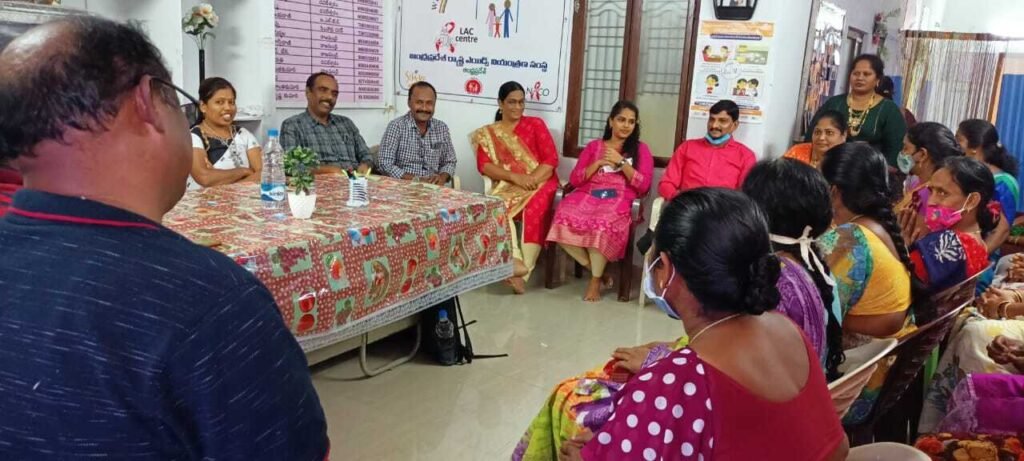
Old Age Support: Older sex workers face particular challenges, such as healthcare needs and financial insecurity. Providing social security, healthcare access, and affordable housing for aging sex workers can ensure they live with dignity in their later years, addressing both their physical and emotional needs.
PLHIV Support: Female sex workers are often at higher risk for HIV/AIDS. Offering access to treatment, counselling, and stigma-reduction initiatives can significantly improve the health outcomes for those living with HIV. Peer networks can offer emotional support, while healthcare advocacy ensures access to essential medications.
Climate Change: Programs aimed at building resilience to climate change—especially in vulnerable coastal areas—are essential. These could include training on disaster preparedness, building eco-friendly shelters, or engaging in water and energy conservation efforts. Workshops on the effects of climate change can also enable these women to advocate for environmental justice.
Skill Development: Empowering sex workers with skills like digital literacy, tailoring, or entrepreneurship gives them the tools to pursue diverse economic opportunities. Vocational programs allow them to earn a sustainable livelihood outside the sex industry if they choose, leading to greater financial independence.
Disaster Preparedness: Coastal communities are highly susceptible to natural disasters. Disaster preparedness programs can train sex workers on evacuation plans, emergency response, and securing essential supplies during crises. Building community resilience to these threats is crucial, especially for those who may not be reached by mainstream support systems.
Livelihood promotion through skill training
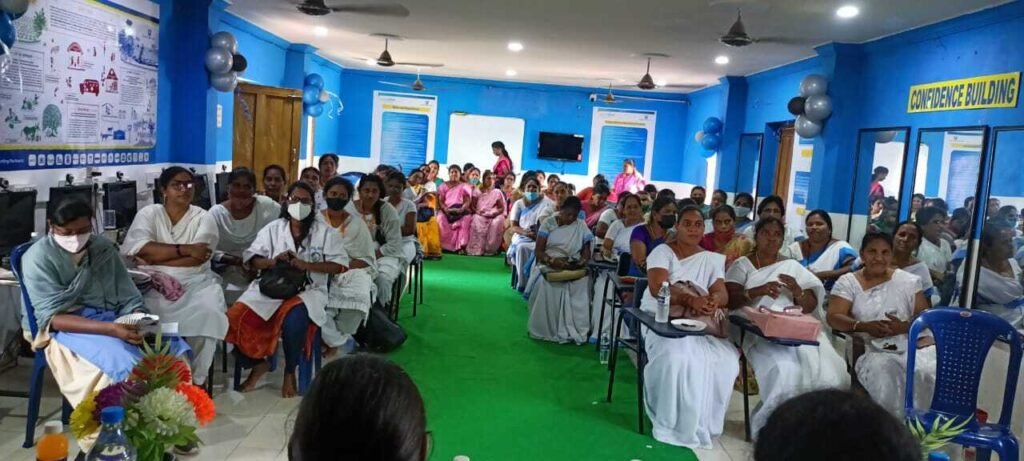
Skill training, credit access and marketing support are rendered by the SMS for livelihood promotion. Skill trainings on different trades like tailoring, Pin oil etc that leads to employment are regularly organised for women members with support for various likeminded institutions by the society for its members. More than 100 members received trainings from NWWA on different trades.Certificate of Appreciation from District AIDS Prevention & Control Unit during the year 2012-23 for outstanding community welfare activities in the field of HIV/AIDS.Certificate of Appreciation from Director Health Office, USAID India and Catalysts Management .Services, for supporting vulnerable communities access information and awareness on #COVID19.Certificate of Appreciation from District Aids Prevention Control Unit (DAPCU) for the work on social entitlements and financial inclusion programs for the women vulnerable to HIV and their families.